Scope of Work
The GD WH40H3N air compressor underwent its scheduled 8,000 running hours preventive maintenance service. The maintenance scope included implementation of all required safety procedures, comprehensive inspection of critical components, disassembly and cleaning of compressor assemblies, replacement of designated wear parts, lubrication system servicing, reassembly, operational checks, and performance testing. These activities were carried out in accordance with OEM-recommended maintenance procedures to ensure safe, reliable, and efficient compressor operation.
Job Summary
Before any tool is picked up, our engineers conduct a full job briefing to establish the scope of work and site details:
| Parameter | Detail |
|---|---|
| Client | Coca Cola |
| Site Location | Lahore |
| Machine Type | GD WH40H3N (Serial No: C004809) |
| Running Hours | 8,500 hours |
| Room Temperature | 46°C |
| Team Size | 4 certified field engineers (Adil Shahzad, M Awais, Fahad, Mobeen) |
| Oil Fill Volume | 91 Liters of fresh lubricating oil |
Maintenance Activities Performed
1. Safety Isolation & Preparation
Prior to commencing maintenance activities, the compressor was safely isolated from all electrical, mechanical, and process energy sources in accordance with plant safety procedures and Lockout/Tagout (LOTO) requirements.
- The compressor power supply was switched OFF and electrically isolated.
- The cooling water supply line was isolated and closed.
- Close-loop cooling water was completely drained.
- All compressed air pressure was safely released from the system.
- Electrical panel and mechanical valves were locked and tagged out (LOTO).
All required work permits were obtained, and applicable safety procedures were reviewed and implemented prior to dismantling activities to prevent accidental energization or pressurization during maintenance.
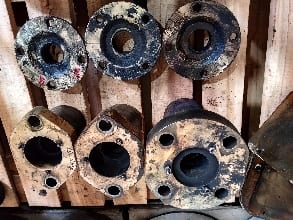
2. Compressor Dismantling
The compressor was completely dismantled in accordance with the OEM-recommended procedure for 8,000 running hours preventive maintenance. The dismantling process was carried out systematically to facilitate detailed inspection, cleaning, and replacement of wear components.
- All suction and discharge valve covers were opened.
- Valve cages were removed for inspection and cleaning.
- A total of 24 suction and discharge valves were removed.
- Cylinder head covers of all three stages were dismantled.
- Pistons from all three stages were removed for inspection and servicing.
- Air packing boxes and oil scraper boxes were opened and inspected.
3. Cleaning & Inspection
Following dismantling, all compressor components were thoroughly cleaned and subjected to a detailed visual inspection to assess their condition and identify any signs of wear, damage, contamination, or abnormal operation.
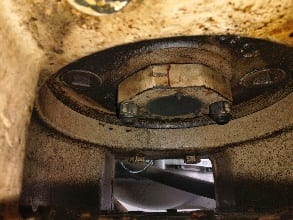
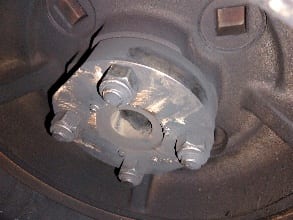
All accessible internal areas of the compressor were thoroughly cleaned to remove carbon deposits, oil residues, dirt, dust, and accumulated debris. Particular attention was given to sealing surfaces, valve seating areas, piston grooves, and packing assemblies to ensure proper operation and reliability upon reassembly.
4. Actuator and Valve Overhaul
All compressor actuators and associated suction valve assemblies were overhauled. Activities completed include replacing the diaphragms and valve seals in all 12 suction valves, and installing all refurbished suction valves following inspection. The refurbished valves were installed in accordance with OEM-recommended procedures and torque specifications.
5. Air Packing & Oil Scraper
The compressor air packing and oil scraper assemblies were overhauled to ensure proper sealing performance and minimize air and oil leakage. New air packing rings and oil scraper rings were installed on all applicable stages. Following installation, all assemblies were inspected for correct fitment, alignment, and sealing integrity.
6. Piston Assembly Overhauling
All three stages of the compressor were overhauled. New piston rings and rider rings were installed. After reinstallation, the piston assemblies were inspected to confirm correct fitment, smooth movement, and proper alignment within the cylinder liners.
The 2nd Stage Piston should be replaced during the next scheduled maintenance shutdown. Wear was observed at the rider ring seating area, resulting in increased clearance. Continued operation under this condition may accelerate wear, reducing component life and reliability.
7. Reassembly
The compressor was systematically reassembled using new gaskets and O-rings to ensure proper sealing integrity. All head covers were reinstalled and tightened in accordance with the specified tightening sequence. Refurbished valves and covers were securely fastened.
8. Bottom End Maintenance
The bottom-end bearing shells of all three stages were replaced. The lubricating oil filter and oil strainer were replaced, and the system was filled with 91 Liters of fresh lubricating oil.
9. Control System & Pneumatic Checks
The compressor control system and pneumatic unloading system were inspected. Pilot air supply was verified, and the loader/unloader mechanism was tested. One faulty loader/unloader valve was identified and replaced with a new valve.
10. Safety System Inspection
All compressor protection and safety systems (Water Flow Switch, High Discharge Air Temperature, After Cooler Safety, Oil Pressure Safety) were inspected. The Oil Pressure Safety was found to be faulty and replaced with a new unit to eliminate operational risk.
Performance Testing
| Operating Condition | Motor Current | Status |
|---|---|---|
| No Load | 270 Amps | Normal |
| Half Load | 415 Amps | Normal |
| Full Load | 620 Amps | Normal |
During the tests, the compressor transitioned smoothly between conditions without abnormal vibration, noise, excessive temperature rise, or oil leakage. All safety devices remained operational and within normal limits.
Critical Action Required: Auto drains require immediate replacement to prevent moisture accumulation and potential compressor performance issues.
Recommendations & Conclusion
The scheduled 8,000 running hours preventive maintenance was completed successfully. To ensure reliable compressor operation moving forward, we strongly advise the following:
- Replace all faulty stage auto drains on an urgent basis.
- Install an additional four exhaust fans to improve room ventilation, as the current ambient temperature of 46°C exceeds OEM limits and can adversely affect efficiency.
- Clean the air intake filter every 15 days, and replace it every 4,000 running hours.
- Replace the lubricating oil every 4,000 running hours.
- Maintain a daily compressor log sheet recording all critical parameters.
Maintenance Status
The GD WH40H3N Air Compressor (SN: C004809) – 8,000 Running Hours Preventive Maintenance was completed successfully. Following completion of maintenance, verification of all safety systems, and successful testing, the compressor was found to be operating within normal parameters.
Compressor Status: Operational and Released for Production ✅
Back to Home